Related Products
Tools Required
- Multimeter
- Torque wrench
- Service pendant
Resolution Steps
- Validate connector seating and cable integrity.
- Confirm protocol and drive configuration values.
- Run controlled verification cycle and capture telemetry.
Article
Context
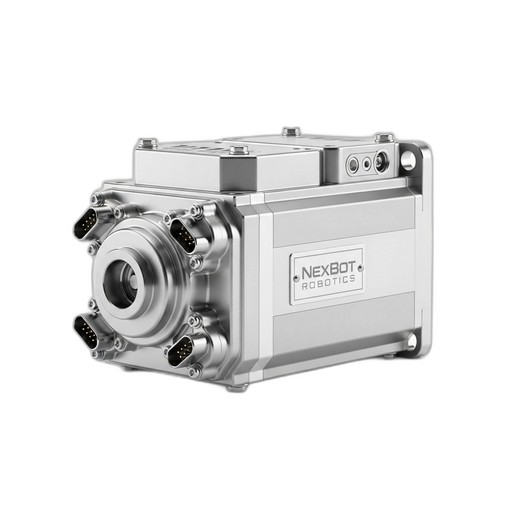
Servo Motor Overheating: Causes and Remediation for NexBot R-Series applies to NexServo AC30 Servo Motor (NXB-SRV-AC-030-A) in the NexBot R-20 service environment. Use this article when diagnosing post-service instability or when standardizing maintenance handoff procedures for the affected axis.
Symptom
During high-load movement on Joint 3, the controller reports unstable servo behavior that can escalate into thermal protection or overcurrent faults. Operators may observe reduced cycle reliability, inconsistent motion, and intermittent process stops under repeat production loads.
Root Cause Analysis
The most common causes are incorrect encoder alignment, insufficient break-in, connector seating issues, or control tuning drift after replacement. Systematically validate torque configuration, connector retention, communication protocol settings, and environmental cooling conditions before replacing major hardware.
Resolution Steps
- Confirm correct product and axis mapping in the service record.
- Inspect and reseat the encoder and fieldbus connectors.
- Verify drive parameters and protocol alignment with controller settings.
- Execute low-speed validation and monitor thermal and current trends.
- Complete break-in runtime before restoring full production throughput.
Prevention
Use documented torque settings, periodic cable inspection, and preventive maintenance kits at required hour intervals. Capture baseline telemetry after install and compare against post-service telemetry to detect early drift. When escalation is needed, include observed error codes, load profile, and installed SKU traceability in the support case for faster triage.